

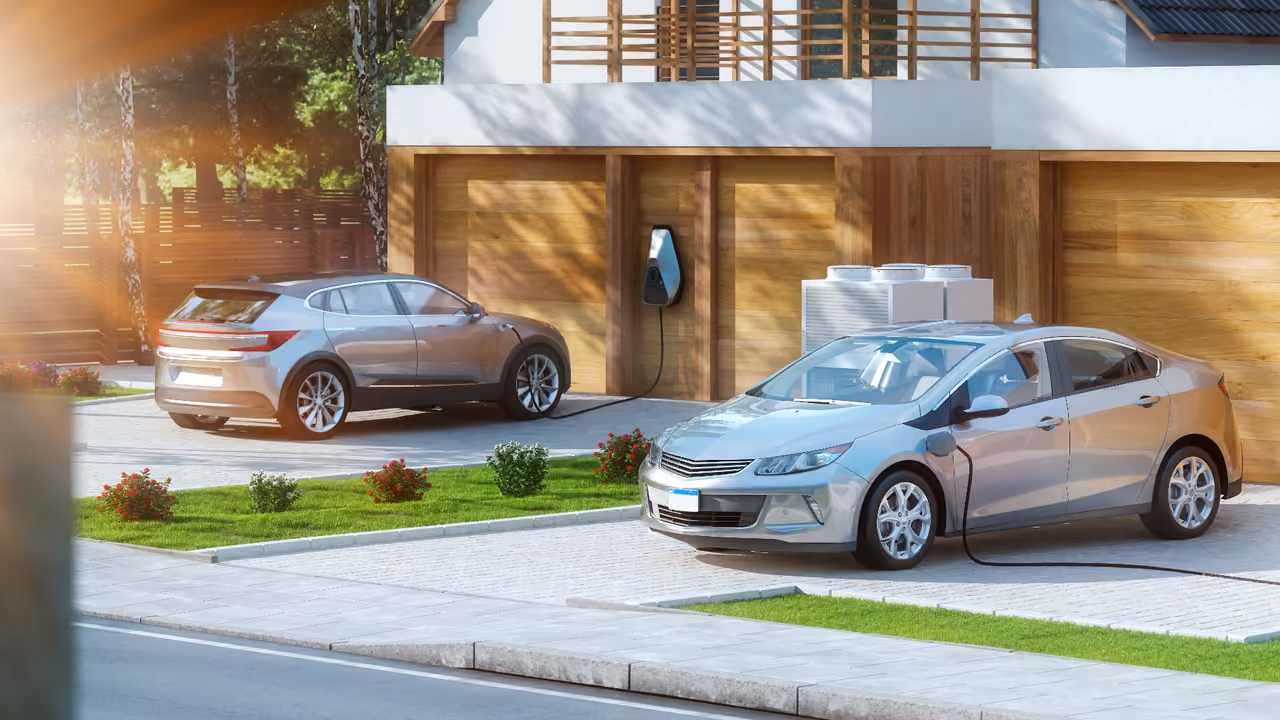
What happens to your car insurance when you switch to an electric vehicle? Electric cars are reshaping more than just how we drive—they’re also transforming the insurance landscape in ways every driver should understand.
How Electric Vehicles Change Risk Profiles
Electric vehicles (EVs) differ significantly from traditional gasoline cars, and this affects their risk profiles. For starters, EVs generally have fewer moving parts and require less routine maintenance, which can reduce certain types of mechanical failures. However, the complexity of their electrical systems and batteries introduces new risks that insurers must consider.
One key factor is the likelihood and cost of repairs. EV components, especially batteries and electric drivetrains, are expensive to replace and often require specialized technicians. This can increase the average repair cost after an accident. Additionally, some studies suggest that EVs may be involved in fewer at-fault accidents, partly because many come equipped with advanced driver-assistance systems (ADAS). However, their quiet operation has raised concerns about pedestrian safety, potentially influencing claims related to pedestrian accidents.
Battery Risks and Fire Hazards
Batteries in electric cars pose unique risks. While EV fires are rare, when they do occur, they can be more difficult and costly to extinguish than fires in gasoline cars. Insurance companies factor these risks into their calculations, which impacts premiums and coverage terms.
Insurance Cost Factors Unique to EVs
When it comes to pricing insurance for EVs, several unique factors come into play:
- Repair Costs: As mentioned, battery and electric motor repairs are pricier, pushing up potential claim amounts.
- Vehicle Value: Many EVs carry a higher sticker price than their internal combustion counterparts, which increases the insured value.
- Parts Availability: Spare parts for EVs can be less accessible, leading to longer repair times and higher labor costs.
- Advanced Technology: Features like ADAS can reduce accident frequency but add complexity and costs to repairs.
- Charging Equipment: Insurance may also need to cover home charging stations, adding another layer of risk.
These factors often result in insurance premiums for EVs being somewhat higher than for comparable gasoline vehicles. However, some insurers are beginning to offer discounts based on the safety technology in EVs or the environmental benefits they provide.
Innovations in Insurance Policies for Electric Cars
The rise of electric vehicles has prompted insurers to innovate. Many companies now offer tailored policies designed specifically for EV owners. These can include:
- Battery Coverage: Specialized protection plans that cover battery degradation or failure beyond the manufacturer’s warranty.
- Charging Station Insurance: Policies that cover damage or theft of home charging equipment.
- Usage-Based Insurance (UBI): Some insurers use telematics to monitor driving behavior, rewarding safe driving with lower premiums. This can be particularly attractive for EV owners who often drive in urban environments.
- Environmental Discounts: A few insurers offer reduced rates to encourage eco-friendly vehicle adoption.
Moreover, some companies are developing partnerships with EV manufacturers and dealerships to bundle insurance offers with vehicle sales, making the insurance purchase process more seamless.
What Drivers Should Consider When Insuring an EV
If you’re thinking about insuring an electric vehicle, here are some practical tips:
- Compare Policies: Don’t assume your existing insurer will offer the best rates or coverage for an EV. Shop around and ask specifically about EV-related coverage.
- Check Battery Coverage: Understand what your policy says about battery damage or replacement, especially since batteries are costly to fix.
- Consider Home Charging Insurance: If you have a home charger, see if your policy covers it or if you need a separate rider.
- Ask About Discounts: Inquire about any incentives for safe driving, use of ADAS, or eco-friendly vehicles.
- Review Deductibles Carefully: Given higher repair costs, a lower deductible can be beneficial even if it means a slightly higher premium.
- Understand Total Cost of Ownership: Insurance is just one piece of the puzzle. Factor in repair, maintenance, and potential downtime costs when budgeting for an EV.
Electric cars are undeniably changing the insurance game. Drivers who take the time to understand these shifts will be better positioned to find coverage that fits their needs without breaking the bank.