

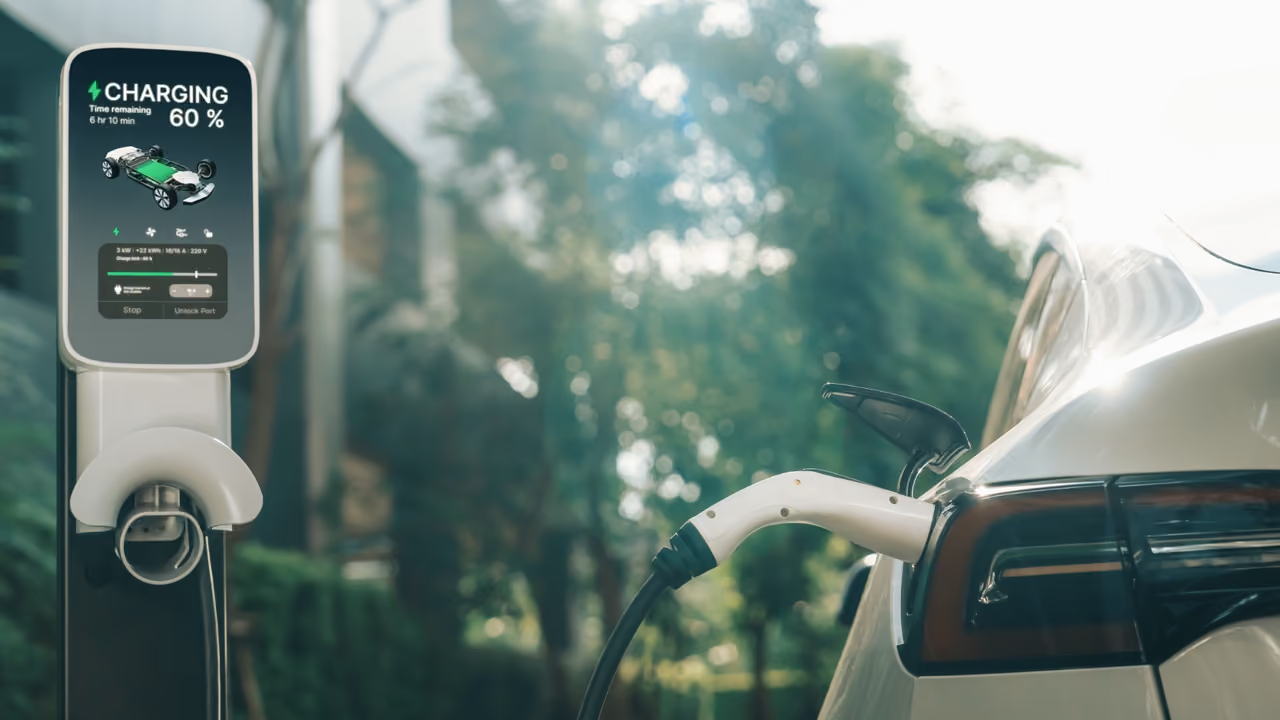
Charging an electric vehicle at home used to be a matter of plugging into whatever outlet was available. Today, home EV charging setups have transformed dramatically, becoming faster, smarter, and more integrated with the entire home energy ecosystem. This evolution reflects not just advances in technology but also shifting attitudes toward energy use, sustainability, and convenience.
The early days of home EV charging simplicity and challenges
When electric vehicles first began to enter the mainstream, home charging was a rudimentary affair. Most owners relied on standard household outlets—commonly known in the US as Level 1 charging. This meant plugging the car into a regular 120-volt socket, the same type used for lamps or kitchen appliances.
While this approach was straightforward, it posed significant limitations:
- Slow charging speeds – Adding only about 3 to 5 miles of range per hour, overnight charges were often necessary just to get enough juice for daily driving.
- Potential electrical strain – Older home wiring wasn’t always designed to handle the prolonged load, raising concerns about safety and circuit overloads.
- Lack of dedicated infrastructure – Without specialized chargers, users had to adapt to a setup that wasn’t optimized for EVs, leading to inconvenience and inefficiency.
Despite these challenges, early adopters accepted these limitations because the alternative—gasoline cars—was the only other option. As EVs grew in popularity, demand for better home charging solutions surged.
Advancements in charging technology faster and smarter chargers
The introduction of Level 2 chargers marked a turning point. Using 240-volt circuits—similar to those powering electric dryers or ovens—these chargers drastically reduced charging times, often topping 20 to 30 miles of range per hour.
Manufacturers began producing dedicated home EV chargers with features such as:
- Built-in safety mechanisms to prevent electrical faults
- User-friendly interfaces including LED indicators and mobile app connectivity
- Adjustable charging speeds to match home electrical capacity and optimize energy use
Smart chargers took this a step further. By connecting to Wi-Fi or home networks, these systems could schedule charging during off-peak hours, reducing electricity costs and grid strain. Some models also allowed remote monitoring and control via smartphone apps, giving owners unprecedented control over their EV charging experience.
Integration with home energy systems and renewable sources
The rise of residential solar panels and home battery systems opened new doors for EV charging. Instead of simply drawing power from the grid, modern home chargers began to interact with home energy management systems.
This integration offers several benefits:
- Using solar power for EV charging – Homeowners with solar arrays can prioritize using their own clean energy when charging, reducing reliance on fossil-fuel electricity and lowering utility bills.
- Energy storage coordination – Batteries store excess solar power during the day, which can then be used to charge the EV at night, ensuring a steady supply without grid dependence.
- Load balancing – Smart systems can manage energy flows between the home, EV charger, and grid, preventing overloads and maximizing efficiency.
These developments have turned EV chargers from standalone devices into components of an interconnected home energy ecosystem, aligning transportation with sustainable living.
Future trends wireless charging and automated energy management
Looking ahead, the home EV charging landscape promises even greater innovation. Wireless charging technology, which allows vehicles to charge simply by parking over a specialized pad, is moving closer to practical reality. This eliminates cables entirely, offering unparalleled convenience and safety.
Meanwhile, automated energy management systems will grow more sophisticated, using artificial intelligence and real-time data to optimize charging. Imagine your home automatically determining the cheapest or cleanest times to charge your car, adjusting based on weather forecasts, electricity prices, and your driving schedule.
Vehicle-to-Home (V2H) technology will also gain traction, enabling EVs to feed electricity back into the house during outages or peak demand. This bidirectional flow transforms the car from just a consumer of energy to an active participant in home power management.
As these trends converge, home EV charging will become seamless, efficient, and deeply integrated into our daily lives, reflecting a broader shift toward smarter, greener living.