

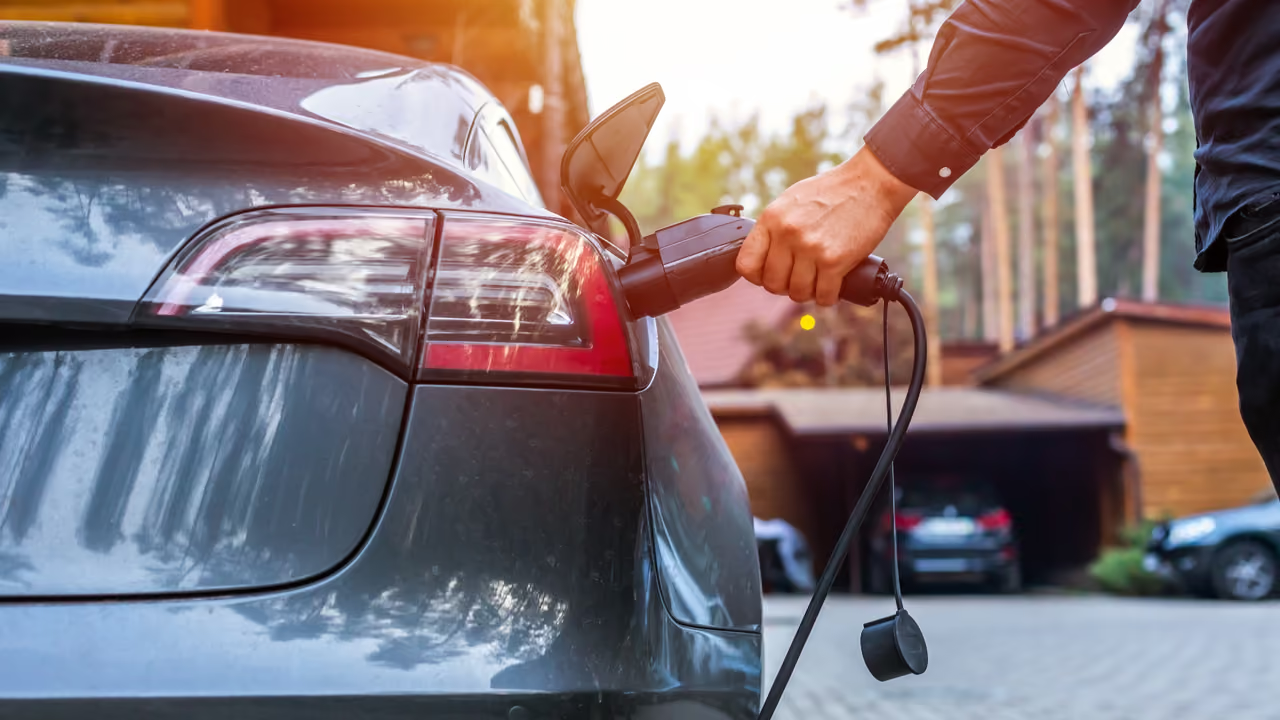
Electric vehicle charging is evolving beyond simple plug-and-play setups. The integration of EV charging with smart grids is transforming how we manage energy, making the process not only more efficient but also far more sustainable.
Understanding Smart Grids and Their Role in Energy Management
Smart grids are modernized electrical grids that use digital technology to monitor and manage the transport of electricity from all generation sources to meet the varying electricity demands of end users. Unlike traditional grids, smart grids incorporate sensors, meters, and advanced communication networks to create a responsive and flexible energy system.
This technology allows for real-time data collection and two-way communication between energy providers and consumers. The result is a grid that can balance load more effectively, integrate renewable energy sources seamlessly, and reduce energy waste. When it comes to EV charging, smart grids offer the infrastructure needed to handle the growing demands of electric vehicles without overloading the system.
Benefits of Integrating EV Charging with Smart Grids
Connecting EV charging to smart grids brings several important advantages that go beyond simply powering cars:
- Optimized Energy Use – Smart grids can schedule EV charging during off-peak hours when electricity demand and prices are lower, reducing strain on the grid and lowering costs for users.
- Grid Stability – By coordinating when and how EVs draw power, smart grids prevent spikes in electricity demand that could destabilize the system.
- Renewable Energy Integration – Smart grids enable EV chargers to prioritize electricity from renewable sources, such as solar or wind, matching charging times with periods of high renewable generation.
- Vehicle-to-Grid (V2G) Capabilities – Some systems allow EVs to feed stored energy back into the grid during peak demand, turning vehicles into mobile energy assets.
- Reduced Carbon Footprint – By managing charging in a way that favors clean energy and reduces waste, smart grid integration helps cut greenhouse gas emissions.
Technologies Enabling Smart Grid EV Charging
Several technologies underpin the smart grid’s ability to enhance EV charging:
- Advanced Metering Infrastructure (AMI) – Smart meters provide real-time data on electricity consumption and enable dynamic pricing models that encourage off-peak charging.
- Communication Protocols – Standards like Open Charge Point Protocol (OCPP) facilitate communication between EV chargers and grid operators, enabling coordinated energy management.
- Demand Response Systems – These systems can adjust or delay charging based on grid conditions, ensuring the grid is not overwhelmed during high-demand periods.
- Energy Management Software – AI-driven platforms analyze data to optimize charging schedules, predict energy needs, and integrate renewable energy sources efficiently.
- Vehicle-to-Grid (V2G) Technology – Enables bidirectional energy flow between electric vehicles and the grid, allowing cars to act as energy storage units.
Challenges and Future Outlook for Smart Grid-Enabled EV Charging
While the benefits are clear, integrating EV charging with smart grids is not without its hurdles:
- Infrastructure Investment – Upgrading existing grids and installing smart chargers require significant financial commitment from utilities and governments.
- Standardization – The lack of universally adopted protocols can hinder interoperability between different EV chargers and grid management systems.
- Data Privacy and Security – The increased data exchange raises concerns about protecting consumer information and preventing cyberattacks.
- User Acceptance – Drivers may resist charging constraints or scheduling if it is perceived as inconvenient or intrusive.
- Grid Complexity – Managing millions of EVs in real-time adds complexity that requires sophisticated algorithms and robust communication networks.
Looking ahead, the smart grid’s role in EV charging will only grow more critical. The rise of electric vehicles is accelerating, and without intelligent energy management, grids could face overloads and inefficiencies. Advances in AI, better regulatory frameworks, and expanding renewable energy capacity will help overcome current challenges. The synergy between EVs and smart grids represents a vital step toward a cleaner, more resilient energy future.