

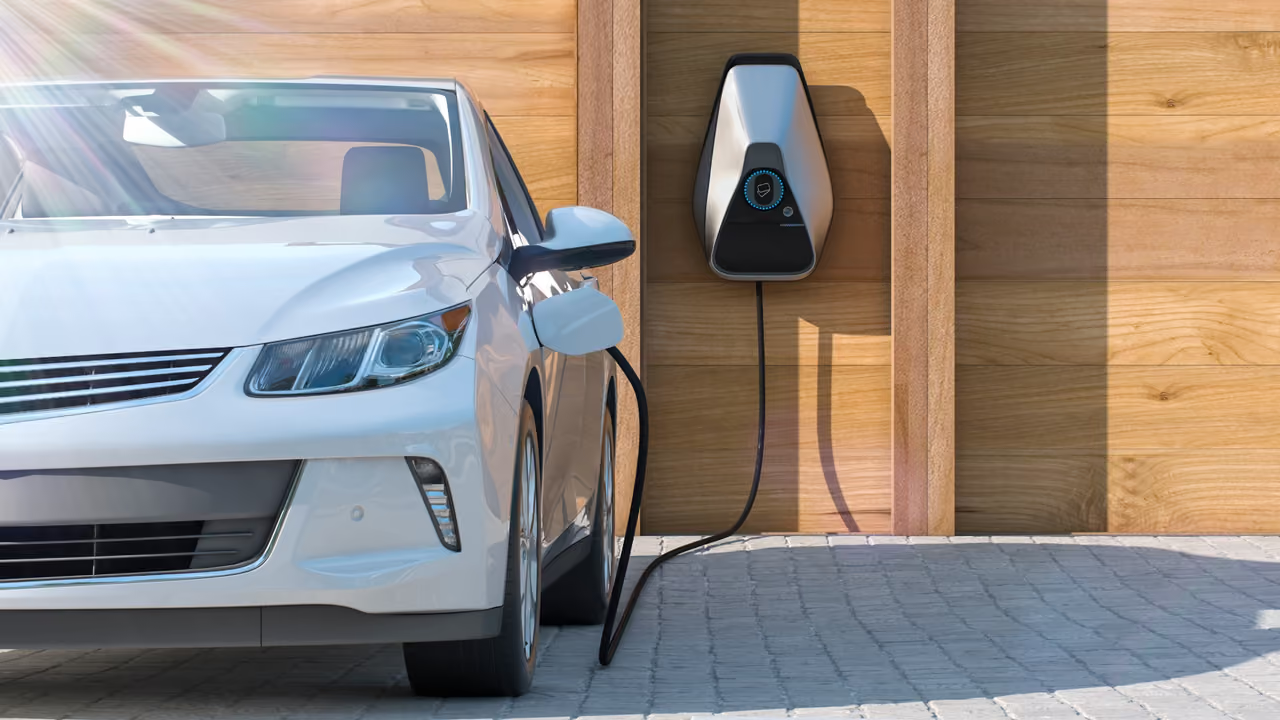
Walking through many cities today, it’s impossible to ignore the subtle yet profound changes electric cars are bringing to urban life. These vehicles, once niche and futuristic, have become central to how cities rethink everything from where we park to how we power our streets. Electric cars are not just about cleaner air; they are catalysts for a comprehensive overhaul of urban infrastructure and city planning.
Charging Ahead How Electric Vehicles Influence Urban Charging Networks
The rise of electric vehicles (EVs) has turned charging infrastructure into a critical urban priority. Unlike gas stations, which have been staples of city landscapes for decades, EV charging points require a different approach. Cities now face the challenge of integrating charging stations seamlessly into existing neighborhoods, commercial areas, and public spaces.
Urban planners and utility companies are collaborating to expand charging networks that are both accessible and efficient. Fast chargers are being installed along main traffic arteries and in parking garages, reducing “range anxiety” — the fear of running out of battery far from a charging station. Meanwhile, residential areas see the introduction of curbside chargers, enabling EV owners who live in apartments or historic districts to plug in without private garages.
Beyond quantity, the quality of these charging points matters. Smart chargers that can communicate with the grid help balance energy loads, avoiding blackouts during peak hours. Some cities are experimenting with wireless charging pads embedded in roads or parking spots, promising a future where charging is effortless and invisible.
Rethinking Parking The Impact of EVs on City Parking Solutions
Electric cars are reshaping how cities think about parking. Traditional parking lots and street parking were designed with internal combustion engine vehicles in mind, but EVs introduce new considerations. Many cities now designate EV-only parking spaces equipped with charging stations, effectively turning parking into a utility that supports vehicle electrification.
These dedicated spots often come with time restrictions to maximize turnover and ensure access for as many EV users as possible. Some urban centers have even introduced dynamic pricing for parking, offering lower fees for EVs to incentivize their use and encourage the shift away from gas-powered cars.
Moreover, the size and design of parking spaces are being reconsidered. As EVs tend to have more compact drivetrains and some models are smaller overall, cities are exploring more efficient layouts to accommodate more vehicles in the same footprint. This also opens up opportunities to incorporate green spaces or pedestrian pathways where parking space has been reclaimed.
Silent Streets Noise Reduction and Quality of Life Improvements
One of the less talked about but most welcome impacts of EVs is the significant reduction in noise pollution. Electric motors operate far more quietly than combustion engines, especially at low speeds, which is typical in congested city environments. This quiet revolution is transforming urban soundscapes.
Residents in busy neighborhoods report noticeable improvements in quality of life as the constant hum and roar of traffic fade into the background. Schools, hospitals, and parks benefit enormously from this change, creating calmer, more pleasant environments. For pedestrians and cyclists, quieter streets mean safer and more inviting spaces.
Some cities are leveraging this advantage by implementing “quiet zones” where only electric vehicles are allowed or by encouraging delivery services to switch to EVs for nighttime operations, reducing noise disturbances during traditionally quiet hours.
Green Corridors Integrating EVs with Sustainable Public Transportation
Electric cars are not just transforming private transportation — they are part of a larger movement toward sustainable urban mobility. City planners are integrating EVs into broader green corridors that combine electric car-sharing programs, public transit, and bike lanes.
These corridors prioritize low-emission transport options and often feature seamless connections between different modes of travel. For example, EV charging hubs might be located near major transit stops, encouraging commuters to switch from electric cars to electric buses or trains for the remainder of their journey.
Many cities are also supporting the electrification of taxis and ride-hailing fleets, making shared mobility greener and more efficient. This integration reduces the total number of vehicles on the road and supports a shift from private car ownership to shared, sustainable transportation systems.
Ultimately, electric cars are more than just vehicles — they’re instruments of change, shaping the future of urban living in ways that extend far beyond tailpipe emissions.